
glass that switches from clear to frosted
Understanding Globe Valves Essentials and Applications Globe valves are a crucial component in various piping systems, known for their ability to control flow effectively. These valves, characterized by their spherical body shape, operate using a movable disc or ball that can obstruct or allow fluid passage. This article delves into what globe valves are, their features, types—focusing specifically on 3-inch and 4-inch models—and their applications in different industries. What is a Globe Valve? A globe valve is a type of valve used to regulate the flow of fluids. It consists of a valve body, a movable disk or plug, and a stationary seat. The design of the globe valve allows for precise throttling capabilities, making it a popular choice for applications where flow control is paramount. Unlike gate valves which are mainly used for fully open or fully closed operations, globe valves can be finely adjusted to any position in between, providing significant advantages in maintaining flow rates. Design and Construction The body of a globe valve generally features a spherical shape with an internal baffle that separates the inlet and outlet. This shape creates a longer flow path for the fluid, which ultimately increases pressure drop. While globe valves can handle a substantial amount of pressure, the increased pressure drop means they may not be suitable for every application, particularly where minimal pressure loss is essential. The main components of a globe valve include - Body Houses the internal components and is typically made from materials such as brass, stainless steel, or cast iron. - Disc/Plug The movable part that opens or closes the flow path. - Seat The fixed surface against which the disc seals to stop the flow. - Stem The rod that connects the disc to the actuator or handwheel to allow for operation. - Actuator The mechanism used to open or close the valve, which can be manual or automated. The 3-Inch and 4-Inch Globe Valves globe valve 3 4 Globe valves come in various sizes, and the 3-inch and 4-inch variants are common in industrial applications. The choice between these sizes typically depends on the desired flow rate and the design specifications of the piping system. 3-Inch Globe Valve - Typically used in applications where space is a constraint but adequate flow control is necessary. - Ideal for smaller industrial processes, HVAC systems, and irrigation setups. - Offers good throttling performance without taking too much space. 4-Inch Globe Valve - Suitable for larger systems that require higher flow rates. - Often seen in chemical processing plants, power stations, and large-scale irrigation. - Provides a robust design that can handle greater pressure and volume compared to smaller valves. Both these sizes can be found in various materials and designs, offering flexibility based on the media being controlled—ranging from water to steam, gases, and even corrosive fluids. Applications in Various Industries Globe valves play a vital role across multiple sectors, including - Oil and Gas Essential for controlling the flow of crude oil, natural gas, and refinery products. - Water Treatment Used in filtration and distribution systems to regulate the flow of treated water. - Power Generation Integral to cooling systems and steam control in power plants. - HVAC Controls heating and cooling media within complex building systems. In conclusion, globe valves, particularly the 3-inch and 4-inch models, are pivotal in ensuring the efficient and reliable operation of system processes across various industries. Their ability to precisely control fluid flow and adapt to specific requirements makes them a preferred choice in many piping systems. Understanding their design and applications can help engineers and technicians make informed decisions when designing or maintaining such systems, ensuring optimal performance and safety.
about
glass that switches from clear to frosted
Understanding Metal Fabrication Measuring Tools Metal fabrication is a crucial industry involving the manipulation and assembly of metals to create various products. One of the fundamental components of this process is precise measurement, which ensures that fabricated parts fit together correctly and meet stringent specifications. In this article, we will explore the various measuring tools used in metal fabrication and their significance in the manufacturing process. 1. Calipers Calipers are essential measuring instruments that can measure the internal and external dimensions of an object, as well as its depth. There are various types of calipers, including digital, dial, and vernier calipers. Digital calipers offer the advantage of displaying measurements in both metric and imperial units, providing ease of use and accuracy. This tool is particularly useful when dealing with small parts where precision is paramount. 2. Micrometers Micrometers are another critical tool in metal fabrication, mainly used for measuring small distances with extraordinary accuracy. Typically, micrometers can measure to the nearest thousandth of an inch or millimeter. They are available in various forms, including outside, inside, and depth micrometers. When fabricators require high precision in dimensions, micrometers become indispensable tools. 3. Measuring Tape While measuring tapes are commonly used in everyday scenarios, they play a significant role in metal fabrication as well. Fabricators use measuring tapes to measure lengths in larger surfaces or for initial measurements before more precise tools are employed. Measuring tapes are versatile and can be easily transported, making them essential for both shop and field measurements. metal fabrication measuring tools 4. Levels and Squares Levels and squares are vital for ensuring that parts are aligned correctly during fabrication. A level is used to determine whether a surface is horizontal or vertical, while a square ensures that angles are accurate—typically 90 degrees. These tools help in maintaining the structural integrity of the assembly and are crucial in welding and joining processes. 5. Gauges Various types of gauges are used in metal fabrication to measure thickness, angle, and other critical specifications. For example, thickness gauges measure the thickness of metal sheets, ensuring compliance with safety standards and design requirements. Protractor gauges assist in measuring angles, crucial when fabricating components that must fit together at precise angles. 6. Laser Measurement Tools With advancements in technology, laser measuring tools have started to replace some traditional measuring instruments. These tools offer high accuracy over long distances and are especially useful in large-scale fabrication projects. Laser distance meters provide quick readings and can save significant time, making them an emerging favorite among metal fabricators. Conclusion In conclusion, the importance of accurate measurement in metal fabrication cannot be overstated. Each tool—from calipers and micrometers to laser measuring devices—plays a crucial role in ensuring that fabricated parts adhere to required specifications. By investing in high-quality measuring tools and understanding their proper use, fabricators can enhance the quality of their products, minimize waste, and improve operational efficiency. As the industry continues to evolve, embracing new technologies and methods of measurement will be vital for staying competitive in the metal fabrication market.
-

High quality industrial productsagement

High quality industrial products
View Details -

Meet the diverse needs of customers

Meet the diverse needs of customers
View Details -

Strict quality control

Strict quality control
View Details -

Top raw materials

Top raw materials
View Details -

Trusted supplier

Trusted supplier
View Details
Our application

news and information
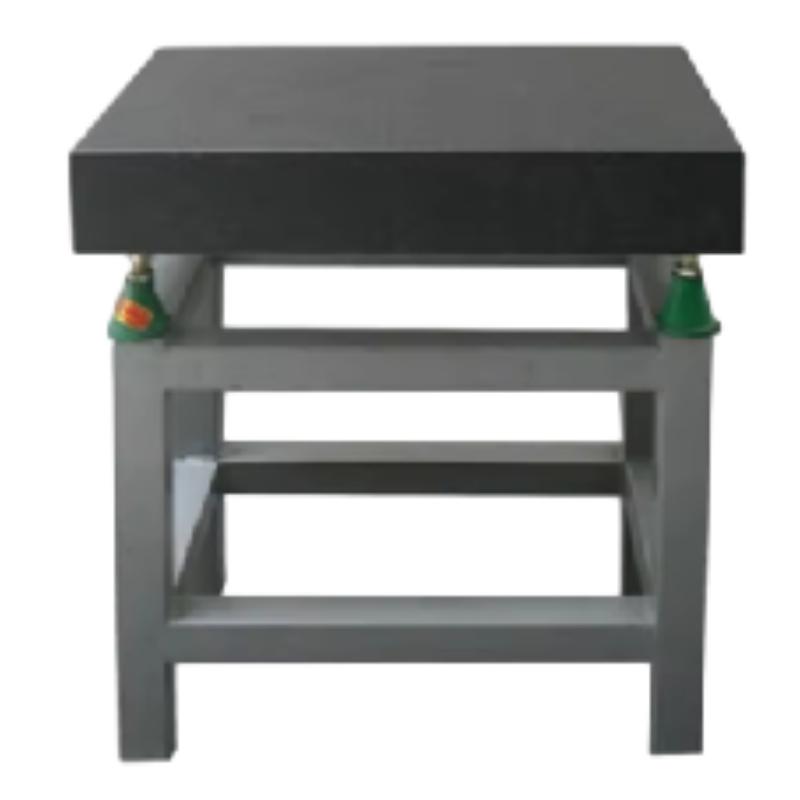
Vibration Reduction Pads
Anti-Vibration Pads A Revolution in Equipment Protection In the modern world, vibration is an inevi
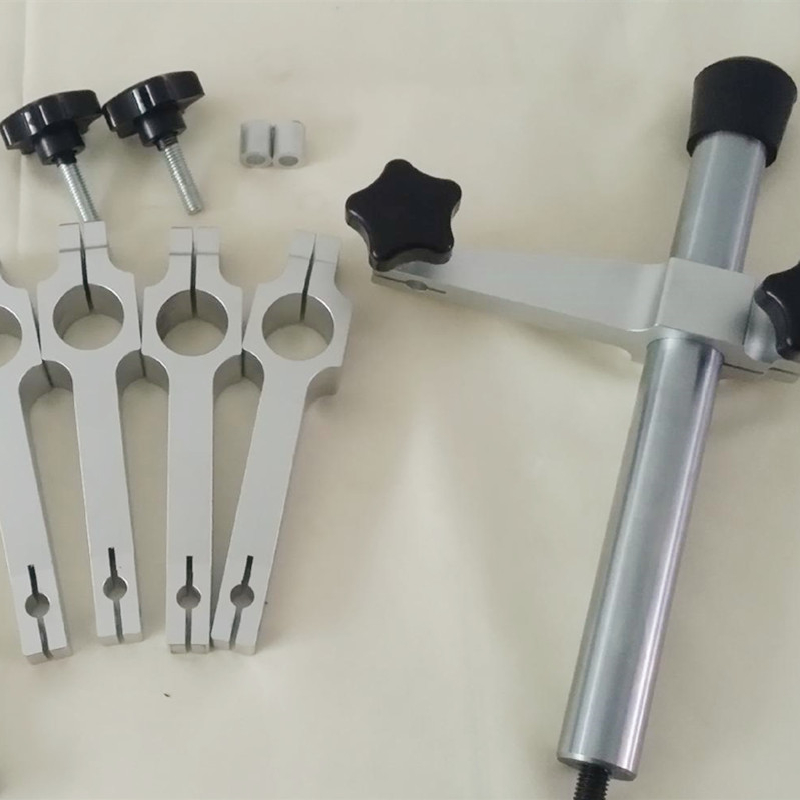
Vertical Y strainer efficient way to filter particles from fluid flow.
Vertical Y strainers are essential components in piping systems that are designed to remove unwanted
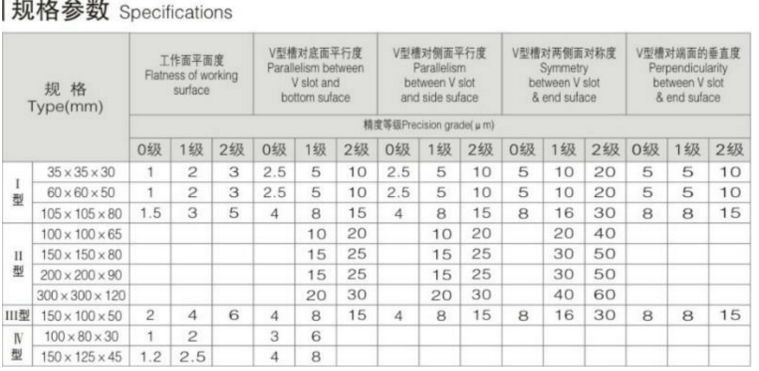
Y Type Water Strainer for Efficient Filtration and Flow Management Solutions
Understanding Y-Type Water Strainers A Key Component for Fluid Management Water strainers are critic
 English